

Three directions define the year ahead: ultra-slim EDC minimalism for daily carry, steampunk and retro-mechanical revival for collectors, and rechargeable arc technology for anyone tired of butane. Collectors should prioritize provenance and documentation on every limited piece. Gift buyers should lean toward rechargeable, USB-C models with presentation-ready packaging. The catalog spans all three, built for exactly this moment in design.
TL;DR:
- Rechargeable arc and plasma lighters now account for about 34% of the market, offering windproof reliability and USB-C charging for outdoor and travel use.
- Titanium grade 5 remains the premium material choice for durability, corrosion resistance, and long-term value, especially when combined with PVD or exotic finishes.
- Provenance, including original packaging and certificates of authenticity, significantly increases a lighter’s resale value over time.
- Design trends favor minimal slim profiles, mechanical revival with visible internals, sculptural shapes, and pop-culture-inspired novelty designs, appealing to collectors and gift buyers alike.
- Price ranges for high-quality lighters span from around $20 for entry-level pieces to over $150 for limited editions or artist collaborations.
Table of Contents
- What Are the Top Lighter Design Trends for 2026?
- Which Materials and Finishes Signal Premium Quality?
- How Is Technology Changing Lighter Design in 2026?
- What Makes a Collectible Lighter Worth More Later?
- How Do You Choose the Right Lighter for Your Needs?
- Why We Curate Design-First Lighters for 2026
- Featured Picks That Match 2026’s Biggest Trends
- Sources
- FAQ
What Are the Top Lighter Design Trends for 2026?
The lighter has quietly become a fashion object. What used to live in a junk drawer now sits in a jacket pocket the way a good watch does, and the market is responding with silhouettes built for visibility as much as function. That shift toward treating flame tools as EDC fashion accessories is reshaping what “premium” even means in this category.
Four directions stand out heading into 2026:
- Ultra-slim EDC minimalism. Thin profiles, brushed metal, and pocket-friendly proportions built for people who carry a lighter the way they carry keys, daily and without a second thought.
- Steampunk and retro-mechanical revival. Exposed gears, brass switches, and visible internals that reward a second look, drawing directly from vintage design language collectors already recognize and want to see reinterpreted.
- Sculptural and statement pieces. Architectural forms, artist collaborations, and shapes that read more like small sculptures than utility items, often produced in limited runs.
- Novelty and replica designs. Pop-culture nods and social-media-ready shapes that make excellent gifts precisely because they photograph well and start conversations.
Design studios are pushing this further than most buyers realize. Independent makers like Craighill have reimagined the pocket lighter around historical mechanisms, favoring refillable and repairable construction over disposable convenience. That single choice, repairable over disposable, tells you where the whole category is heading. A steampunk lighter with visible mechanics isn’t just nostalgic. It’s a bet that buyers want objects built to be opened up and understood, not thrown away when the flint runs dry.
Which Materials and Finishes Signal Premium Quality?
Material choice tells you almost everything about how a lighter will age, feel, and hold value. Grade 5 titanium leads the premium tier for a reason: it’s roughly 45% lighter than steel while resisting corrosion far better than standard alloys, which matters when a piece rides in a pocket every day. Luxury torch lighters increasingly rely on Grade 5 titanium alongside multi-flame engineering and tighter manufacturing tolerances than mass-market brands bother with.
Finishes matter just as much as the base metal:
- PVD coating resists scratching and fading far longer than standard plating, holding its finish through years of pocket wear.
- Lacquer and gold plating deliver depth and shine but need gentler handling, since thin plating can wear at contact points.
- Exotic wood and carbon fiber accents add texture and, when the origin is documented, real collector premium.
- Knurled or micro-textured surfaces improve grip without adding bulk, a small detail that separates a $40 piece from a $200 one.
Pro Tip: Check whether a listing states PVD thickness or plating microns. Vague language like “durable finish” with no spec usually means a thinner, faster-wearing coat.
How Is Technology Changing Lighter Design in 2026?
Butane isn’t disappearing, but rechargeable arc and plasma lighters have moved from novelty to mainstream fast. Electric lighters now account for roughly 34% of the market, and search interest in refillable electric models has spiked sharply as buyers realize windproof coils solve a problem butane never fully fixed.
What to weigh when comparing rechargeable models:
- Windproof reliability. Arc technology ignites in conditions that snuff out an open flame, a real advantage for outdoor use.
- Battery cycles. Look for stated cycle counts on product pages rather than vague “long-lasting” language.
- USB-C charging. It’s become the practical standard, and it matters for airline travel where spare butane is restricted but a charged device usually isn’t.
- Reduced consumables. No flint, no butane refills, less packaging waste over the life of the piece.
The best 2026 designs hide this tech well, appealing to those exploring alternatives like tobacco-free snus and nicotine pouches alongside vaping options. A multi-function lighter that packs rechargeable ignition into a finish that still looks like a crafted object, not a gadget, is where premium design and practical engineering actually meet.
What Makes a Collectible Lighter Worth More Later?
Provenance is the single biggest lever on resale value, and most buyers only think about it after the fact. Documentation like original boxes, certificates of authenticity, and serial numbers can materially raise what a limited piece commands years down the line.
- Keep the original box and any certificate of authenticity, including artisan signatures and stated production dates.
- Save maintenance and service records, since buyers trust a documented history over an unverified “barely used” claim.
- Note edition signals like numbered runs or artist collaborations, and photograph the piece in hand as proof of condition.
- Store pieces away from humidity and clean finishes gently, since aggressive polishing can strip PVD or plating over time.
- Choose fuel and charging methods deliberately, since a well-maintained mechanism holds resale value better than a neglected one.
Collectors increasingly treat small artisan signatures and serial numbers as material factors in niche resale markets, not just sentimental extras. A vintage watch lighter with its box and paperwork intact will always outperform an identical piece sold loose.
How Do You Choose the Right Lighter for Your Needs?
Start by naming the actual use case, since it changes every other decision. An EDC piece needs to survive daily pocket wear. A display collectible needs provenance and presentation. A gift needs to look good the moment it’s unboxed.
- Ignition type: butane torch for reliability, arc or plasma for windproof rechargeable convenience.
- Material and finish: titanium or stainless steel for daily durability, brass or lacquer for display pieces.
- Size and weight: slim profiles for pockets, heavier sculptural builds for shelves.
- Rechargeability: USB-C models cut long-term maintenance and travel hassle.
- Provenance and warranty: ask sellers directly whether a certificate or serial number comes with the piece.
Price tiers run roughly from $20 entry pieces to $150 and up for titanium or limited-run designs. If a seller can’t answer a direct question about material grade or finish process, treat that as a red flag.
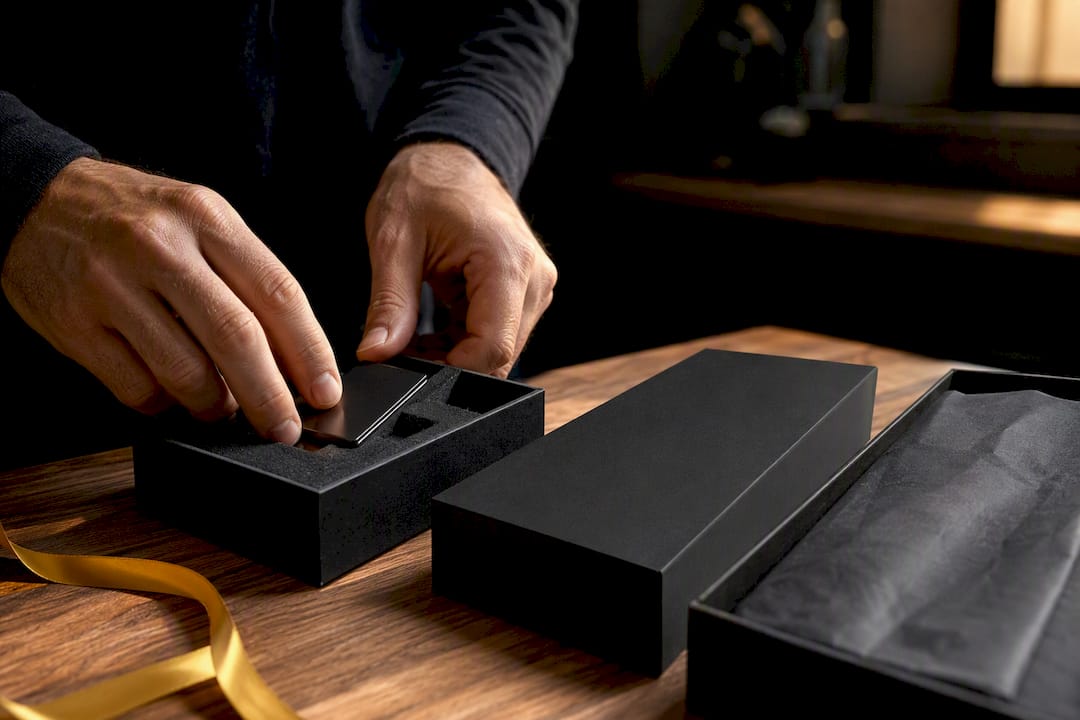
Pro Tip: For gifts, packaging is half the impression. A plain box undersells a great lighter; a fitted case or branded sleeve makes even a mid-tier piece feel like an event.
Why We Curate Design-First Lighters for 2026
Allurecart builds its catalog around the same three directions covered here: craftsmanship, functional tech, and a story worth collecting. Every piece pairs a design theme—steampunk, minimalist, novelty—with ignition reliability buyers can actually count on. Browse the full lighter collection to find the style that fits how you carry, display, or gift.
— Allurecart
Featured Picks That Match 2026’s Biggest Trends
If you want the tech-forward EDC pick, the LUMINO LIGHTER leads the rechargeable category. It brings arc ignition and a slim profile together, built for the person who wants windproof reliability without bulk in their pocket.
For collectors chasing the retro-mechanical wave, the RETRO LIGHTER leans directly into exposed-mechanism styling, the kind of piece that rewards a close look and holds up as a display item, not just a tool.
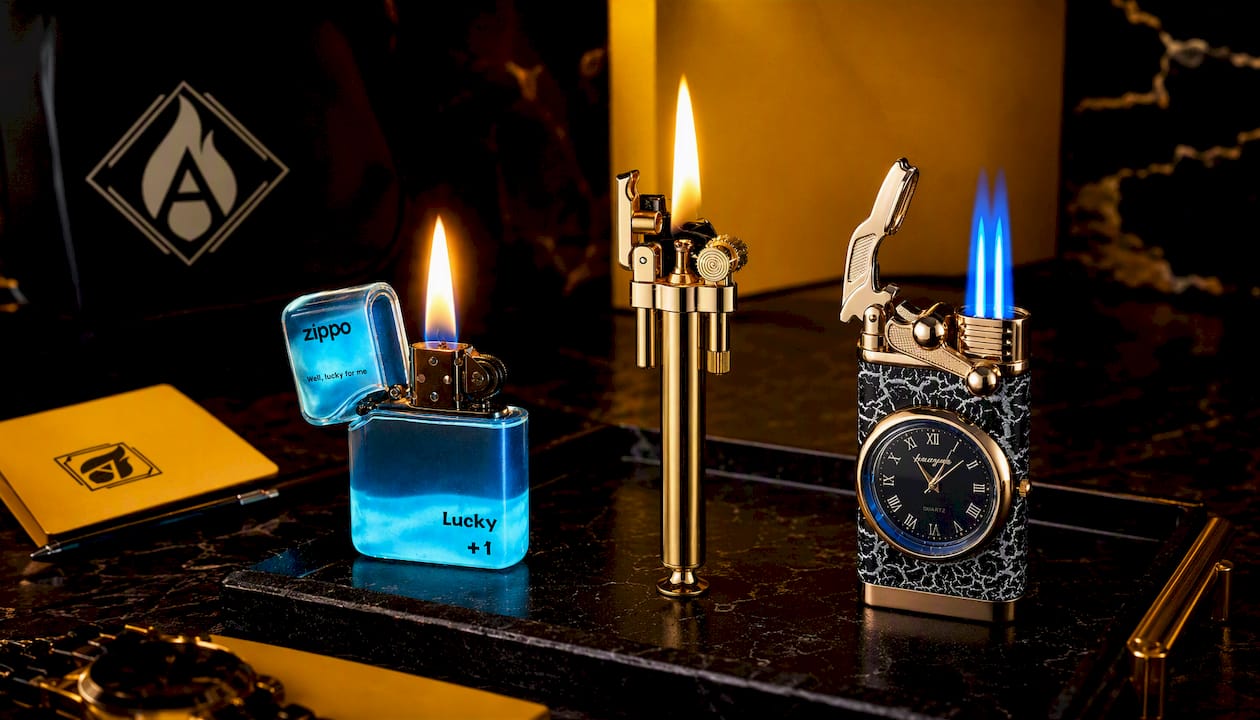
And for gift buyers who want something that photographs as well as it functions, the CLOCK LIGHTER delivers a sculptural, timepiece-inspired shape that reads as a genuine collectible the moment it’s unwrapped. Every order over $70 ships free worldwide, and each product page lists the exact material and ignition specs covered above, so you can check provenance details before you buy. Pick the Lumino for daily carry, the Retro for your shelf, and the Clock lighter for the one gift that won’t get returned.
Sources
- High Tech Lighter Trends 2026: Smart & Eco-Friendly
- What Defines a Truly Luxurious Torch Lighter Experience
- Harley-Davidson limited edition lighter product page (example of provenance and limited-edition practices)
FAQ
What Is the Biggest Lighter Design Trend for 2026?
Rechargeable arc and plasma ignition is the fastest-growing shift, now representing roughly a third of the market, alongside a parallel rise in slim EDC silhouettes and steampunk-inspired mechanical designs.
Are Rechargeable Lighters Better Than Butane for Collectors?
They’re better for daily reliability and windproof performance, but butane and mechanical pieces still dominate serious display collections, where visible craftsmanship often matters more than convenience.
What Should I Check Before Buying a Collectible Lighter?
Confirm the material grade, finish process, and whether the piece includes a certificate of authenticity, serial number, or original box, since documented provenance drives resale value more than any other factor.
Does Allurecart Sell Both Rechargeable and Mechanical Lighter Styles?
Yes. The catalog covers rechargeable tech-forward picks like the LUMINO LIGHTER alongside retro-mechanical and sculptural designs like the RETRO LIGHTER and CLOCK LIGHTER.
How Much Should I Expect to Pay for a Premium Lighter in 2026?
Entry-level design-forward pieces start around $20, while titanium builds, limited runs, and artist collaborations commonly run $150 or more.