

Most butane jet lighters, from a plain windproof torch to a steampunk-inspired collector’s piece, are built to be refilled. The process rewards patience over speed: purge the tank, hold the lighter upside-down, use quality butane with the right adapter, refill in short bursts, then wait 5 to 10 minutes before you test the flame.
Before you touch a can of butane, run through this checklist:
- Cool it first. Never refill a lighter that’s been recently lit or sitting in direct sun.
- Ventilate the space. Butane is heavier than air and pools in low, closed rooms.
- Kill the spark risk. No candles, stovetops, or lit cigarettes nearby while you work.
- Purge before you fill. Skipping this step traps air and ruins the fill.
- Wait before you test. Cold butane needs time to reach room temperature.
Stop immediately if you see a cracked refill valve, fuel that keeps leaking no matter the angle, or a lighter that still won’t ignite after it’s warmed up. Those are signs of internal damage, not user error, and no amount of purging will fix them.
Key Takeaways
A jet lighter refill succeeds when you purge the tank fully, fill upside-down in short bursts with triple-refined butane, and wait 5 to 10 minutes before testing.
| Point | Details |
|---|---|
| Purge before every fill | Trapped air and old residue dilute new butane, causing sputtering and short burn times. |
| Refill in short bursts | Hold the lighter upside-down and inject butane for 2 to 3 seconds at a time, not continuously. |
| Wait before testing | Give the lighter 5 to 10 minutes to let cold butane warm to room temperature before ignition. |
| Match fuel to the problem | Weak or orange flames usually mean low-grade butane or nozzle residue, not a broken lighter. |
| Choose refill-friendly designs | Allurecart’s Windproof Jet Torch Lighter and Vintage Trench Lighter feature accessible refill valves that simplify the whole process. |
Table of Contents
- What You Need Before You Refill a Jet Lighter
- How Do You Refill a Jet Lighter Step by Step?
- Why Bleeding the Lighter Matters More Than People Think
- How Do You Fix a Jet Lighter That Leaks or Won’t Light?
- Which Butane and Adapters Actually Work Best?
- How Do You Maintain a Refillable Jet Lighter Long Term?
- What Design Choices Make a Jet Lighter Easier to Refill?
- What Most Refill Guides Get Wrong
- Ready for a Jet Lighter Built for Easy Refills?
- Frequently Asked Questions
- Sources
What You Need Before You Refill a Jet Lighter
The right supplies matter more than the technique itself. Cheap butane is the number one reason otherwise healthy jet lighters start sputtering within a few weeks of a fresh fill.
Gather these before you start:
- A can of triple-refined butane (sometimes labeled 5x or 7x refined)
- The nozzle adapter that came packaged in the butane can’s cap, if your lighter’s valve doesn’t match the can’s stem
- A small flathead screwdriver, pen tip, or dedicated purge tool
- A cloth or paper towel to catch minor spills
- A well-ventilated table or counter, away from anything flammable
Inspect the lighter itself before fueling. Look for cracks around the fuel window, a bent flame adjuster, or a refill valve that looks corroded or recessed. Turn the flame adjuster to its lowest setting now, since refilling with the flame turned up invites a dangerous flare when you test it later.
Pro Tip: Keep the butane can and lighter at room temperature for at least 15 minutes before you start. Cold cans deliver less pressure, which means an incomplete fill even if you follow every other step correctly.
How Do You Refill a Jet Lighter Step by Step?
This sequence works across nearly every jet torch design on the market, whether it’s a compact pocket torch or a heavier trench-style piece. The order matters. Skip a step and you’ll likely end up back at square one, holding a lighter that sputters or won’t light at all.
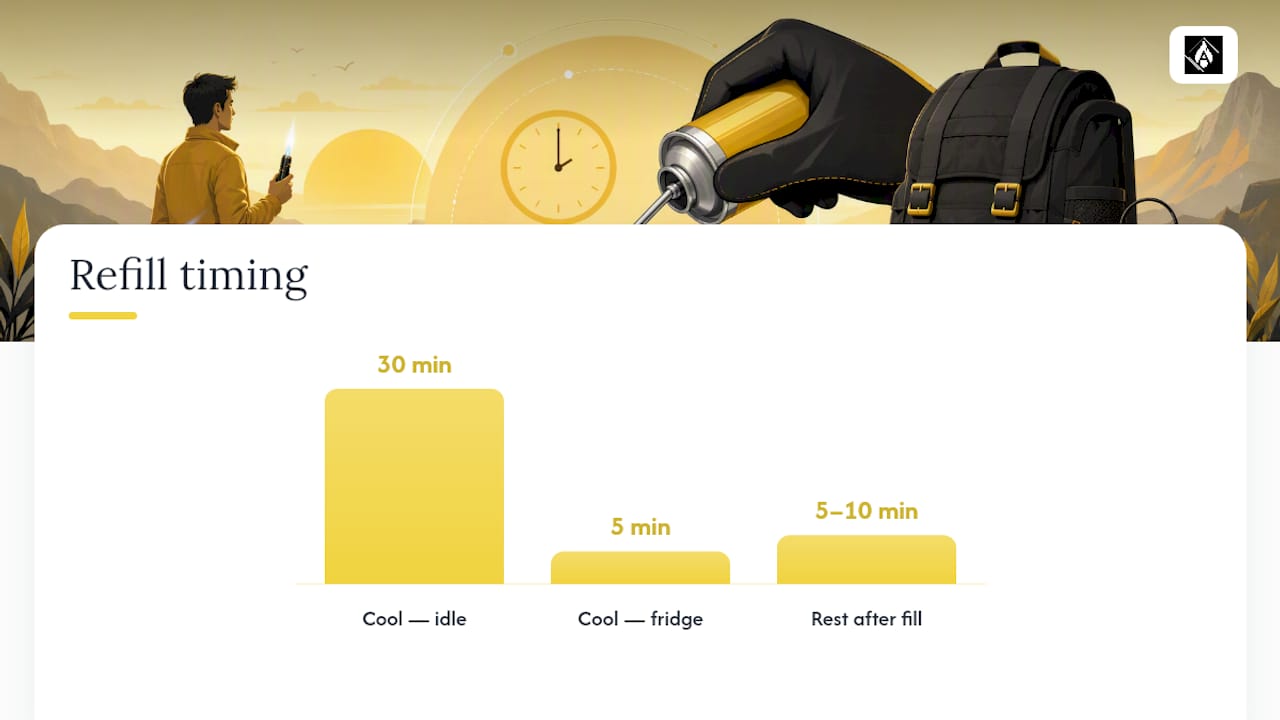
- Cool the lighter. If it was just used, let it sit for 30 minutes, or pop it in the fridge for 5 minutes if you’re in a hurry.
- Set the flame adjuster to minimum. This protects you from an unexpected flare during testing later.
- Locate the refill valve on the bottom or side of the lighter and press it with your screwdriver or purge tool until the hissing stops completely. This step is called bleeding the lighter, and it clears trapped air and old butane residue from the tank.
- Shake the butane can for a few seconds to prime it, then turn it upside down.
- Align the can’s nozzle with the lighter’s inlet valve. If the stem doesn’t seat cleanly, swap in the adapter from the can’s cap.
- Inject butane in short bursts, 2 to 3 seconds at a time, holding the lighter upside-down throughout. Standard refill procedure calls for repeating this in short pulses rather than one long continuous press.
- Stop the moment you feel resistance or see butane leaking around the valve. Overfilling doesn’t add capacity. It just forces fuel back out and wastes it.
- Wipe away any spilled butane with your cloth.
- Let the lighter rest for 5 to 10 minutes. This gives the butane time to warm from its injection temperature (often well below room temperature) back up to a stable state.
- Slowly turn the flame adjuster back up and test the ignition in a controlled, ventilated spot.
Most guides converge on the same numbers here for a reason. One Ronson-style refill method recommends 3 to 4 short bursts rather than a single long fill, and multiple cigar and torch maintenance sources agree that the 5 to 10 minute rest window is the single most skipped step. Rushing it is the top reason people think their refill “didn’t work” when the lighter just needed time to stabilize.
If your lighter has a visible fuel window, watch it during the fill. Liquid butane should rise steadily without foaming or spraying back at you. Foam or spray usually means your can angle has drifted, or the adapter has lost its seal against the valve.
Why Bleeding the Lighter Matters More Than People Think
Skipping the purge step is the single most common reason a refill fails, and it’s rarely obvious why. A jet lighter’s tank isn’t empty when it “runs out.” It still holds trapped air and a thin residue of spent butane vapor. Inject fresh fuel on top of that pocket and you get a diluted mix instead of a full tank, which shows up later as sputtering, a shortened burn time, or a flame that simply won’t catch.
Bleeding, sometimes called purging, clears that pocket before new fuel goes in.
- Find the refill valve, usually a small pin-sized opening on the bottom of the lighter.
- Depress it gently with a screwdriver tip, pen cap, or dedicated purge tool.
- Listen for a steady hiss. That’s trapped air and residual butane escaping.
- Keep pressing until the hiss fades to nothing, tilting the lighter slightly if the hiss seems to stall partway through.
- Repeat the tilt-and-press motion two or three times if you’re not confident the tank is fully clear.
Pro Tip: If you hear a hiss but never see or smell escaping butane, you’re probably just venting air, which is exactly what you want. A strong butane smell during purging usually means there was still fuel left in the tank, so purge a little longer than feels necessary.
If bleeding thoroughly still doesn’t fix a weak flame or short burn time, the problem likely isn’t air at all. A worn O-ring seal or a cracked internal valve can mimic the same symptoms, and no amount of purging will resolve either one. At that point, the lighter needs a professional look, or it’s time to retire it.
How Do You Fix a Jet Lighter That Leaks or Won’t Light?
Three problems account for almost every refill complaint: fuel leaking out during the fill, a flame that sputters or burns weak and orange, and a lighter that simply won’t ignite afterward. Each has a specific, usually simple, fix.
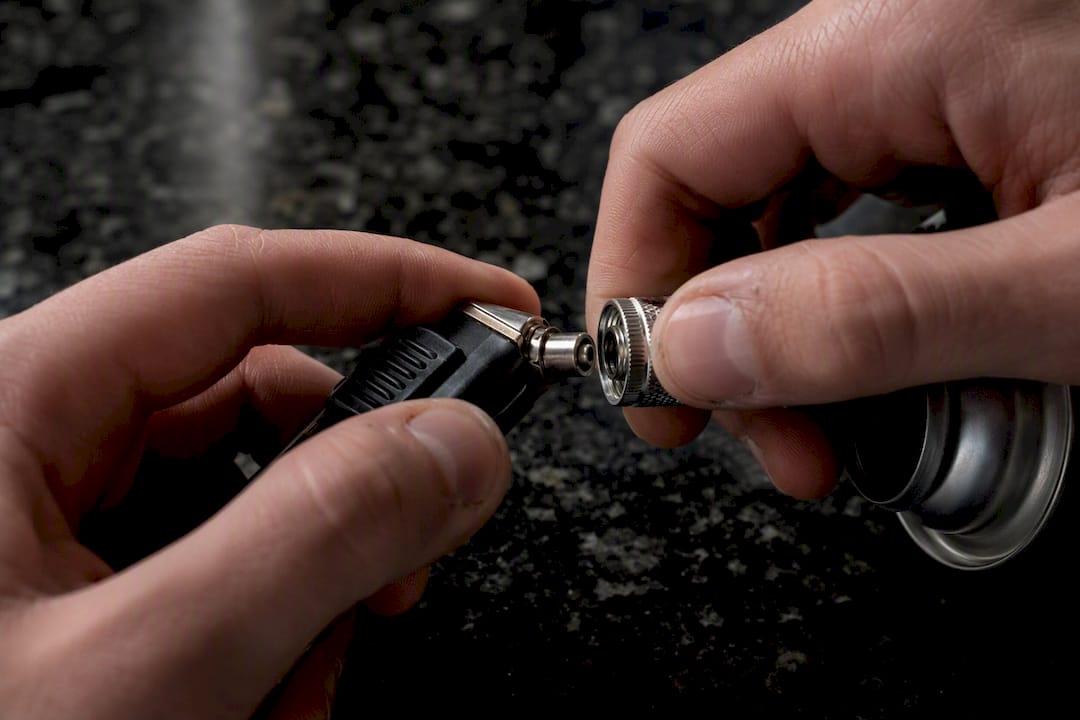
Leaking during the fill. This almost always comes down to angle or seal. Recheck that both the lighter and the can are held straight upside-down, not tilted. Reseat the adapter fully into the valve rather than resting it against the opening. Switch to short 2 to 3 second bursts instead of one long press, since community troubleshooting threads consistently point to angle misalignment and loose adapters as the top causes. If leaking continues after you’ve corrected both, the valve itself may be worn and the lighter may need a replacement part.
Weak, orange, or sputtering flame. This is usually a fuel quality issue, not a mechanical one. Purge the tank fully, then refill with triple-refined butane rather than a generic or unlabeled brand. If the flame still sputters, residue buildup in the nozzle is a likely suspect. A short burst of compressed air through the jet often clears it.
No flame after refilling. Give it the full 5 to 10 minute warm-up window before you panic. Cold butane straight from the can needs that time to reach a state where it vaporizes properly. If it still won’t ignite after warming, check the ignition mechanism itself, whether that’s a piezo spark or a flint wheel, since a dead igniter has nothing to do with the fuel at all and points toward repair or replacement.
Which Butane and Adapters Actually Work Best?
Fuel quality shapes everything downstream: flame color, burn stability, and how long the nozzle lasts before it clogs. Low-grade butane carries impurities that build up inside the jet over repeated fills, and that residue is the leading cause of clogged nozzles in refillable torch lighters.
- Choose butane labeled triple-refined (sometimes marketed as 5x or 7x) over generic or unbranded cans.
- Watch the flame color after a fill. A clean blue flame signals good fuel; yellow tinges or visible soot point to impurities.
- Check adapter fit before you refill, not during. Many butane cans include a small plastic adapter tip built into the cap specifically for lighters whose valve size doesn’t match the can’s stem, and using the wrong fit lets extra air into the tank during filling.
- If a nozzle stays clogged after several fills with quality butane and regular cleaning, the jet itself has likely degraded and needs replacing rather than continued troubleshooting.
How Do You Maintain a Refillable Jet Lighter Long Term?
A few minutes of upkeep every month or two prevents most of the problems covered above before they start.
- Purge and clean the nozzle periodically, even if the lighter is working fine, to clear residue before it hardens.
- Use short bursts of compressed air on the jet rather than any liquid solvent, since solvents can degrade the rubber seals around the valve.
- Store upright, away from heat sources like car dashboards, radiators, or direct sun, which raise internal pressure and stress seals over time.
- Check the flint or piezo igniter during routine cleaning, since a healthy fuel system paired with a dying igniter still won’t produce a flame.
- Weigh repair against replacement once a lighter needs more than a seal swap. A worn flint wheel is worth fixing; a cracked tank body usually isn’t.
What Design Choices Make a Jet Lighter Easier to Refill?
Not every jet lighter is built with the refiller in mind, and that’s where design details start to matter. A recessed, hard-to-reach valve turns a 30-second refill into a frustrating five-minute search with a screwdriver.
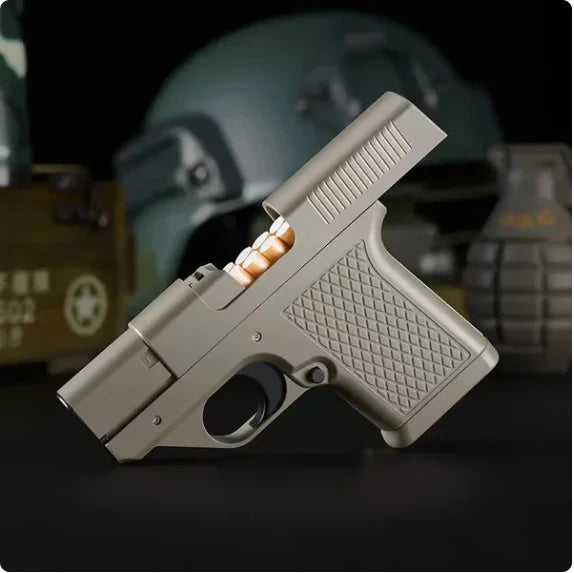
Allurecart’s Windproof Jet Torch Lighter places its refill valve on an exposed, easy-to-reach base specifically so purging and refilling don’t require disassembly. The Vintage Trench Lighter carries the same accessible valve placement inside a heavier, collector-styled body, while the GRENADE LIGHTER keeps its novelty shape without sacrificing a clear, findable fill point.
Across all three, the maintenance cadence is the same as any quality jet lighter: purge before each refill, use triple-refined butane, and give the tank a light clean every month or two of regular use.
- Look for a visible refill valve rather than one hidden under a removable base plate.
- Favor a windproof jet design, which tends to pair with sturdier internal seals that hold pressure better over repeated fills.
- Check whether the model ships with adapter compatibility notes, since a snug stem fit is what keeps air out of the tank during refilling.
Pro Tip: If you collect multiple lighter styles, keep one dedicated adapter set labeled per model. Mixing up adapters between a wide vintage-style valve and a narrower modern torch valve is a quiet cause of the leaking-during-fill problem covered earlier.
What Most Refill Guides Get Wrong
Most refill tutorials treat the process as purely mechanical: purge, fill, wait, done. That’s true as far as it goes, but it skips the part that actually separates a successful refill from a frustrating one, which is knowing what a failure symptom is actually telling you.
A weak flame after three careful refills isn’t a sign to keep trying harder. It’s a sign the fuel grade is wrong or the nozzle has residue built up, and no amount of repeating the same steps fixes either cause. Community troubleshooting threads tend to get this right faster than polished how-to articles, because forum posters are working through real failures in real time rather than describing an ideal case.
The habit worth building isn’t more precision in the refill technique itself. It’s treating every failed test flame as a diagnostic clue rather than a reason to just try again with the same fuel and the same valve angle. Purge thoroughly, use butane you trust, and give a stubborn problem a genuine two or three attempts with variables changed before assuming the lighter itself is broken. Most jet lighters that “stop working” after a refill just needed a different fuel grade or a proper bleed, not a replacement.
Ready for a Jet Lighter Built for Easy Refills?
Every refill technique in this guide works better when the lighter itself is designed for it. Allurecart builds its jet lighters with accessible refill valves and windproof internals specifically so purging and filling stay simple, not a fight with a hidden valve or a stem that never quite seats right.

The Windproof Jet Torch Lighter pairs a stable, wind-resistant flame with the exposed refill valve described above, making it a solid pick if you refill often. If you want something with more character on your shelf, the Vintage Trench Lighter brings the same refill accessibility in a heavier, collector-grade body, and the GRENADE LIGHTER delivers the novelty factor without the maintenance headaches that hidden-valve designs create. Orders over $70 ship free worldwide, so it’s worth pairing a new lighter with the triple-refined butane and adapter you’ll need on day one. Check your model’s refill valve location when it arrives, pick up compatible butane, and you’re set for your first fill.
Frequently Asked Questions
Can all jet lighters be refilled, or only certain brands? Most butane jet lighters on the market today are refillable by design, with a valve somewhere on the base or side. A handful of ultra-cheap disposable torches skip the refill valve entirely, so check for one before assuming yours can be topped off.
How often should I refill a jet lighter? Refill as soon as the flame weakens or the fuel window shows it’s running low. Waiting until it’s completely dry doesn’t hurt the lighter, but running it low for extended stretches can make purging take longer.
Why does my jet lighter leak butane every time I refill it? Leaking during a fill almost always traces back to a tilted can angle, a loose adapter, or overfilling. Reseat the adapter, hold both pieces straight upside-down, and use short bursts. If leaking continues after fixing those three things, the valve itself may need replacing.
Can I use any butane can, or does the brand matter? Brand matters less than refinement level. Triple-refined butane burns cleaner and leaves less residue in the nozzle than generic or unlabeled cans, which extends the time between cleanings.
Is it normal for a lighter not to ignite right after refilling? Yes, this is common and expected. Cold butane needs 5 to 10 minutes to reach room temperature before it vaporizes properly for ignition. If it still won’t light after that window, the issue is likely the ignition mechanism, not the fuel.
Sources
- How To Bleed & Maintain a Torch Lighter — Holt’s Cigar Clubhouse
- How to Fill a Butane Lighter Safely: Step-by-Step Guide — WikiHow
- How to Refill a Ronson Jet Lighter - Our Pastimes
- How to Bleed and Refill a Jet Lighter — Cgarsltd